US fashion retailer Gap has announced around 1,800 job cuts as the company looks to downsize in order to balance inflation.
The company said that the roles would be cut from the company's San Francisco headquarters as part of a wider bid to find $300 million in savings.
Gap laid off around 500 corporate workers in September 2022, with this second round of cuts expected to be completed by the end of the first half of 2023.
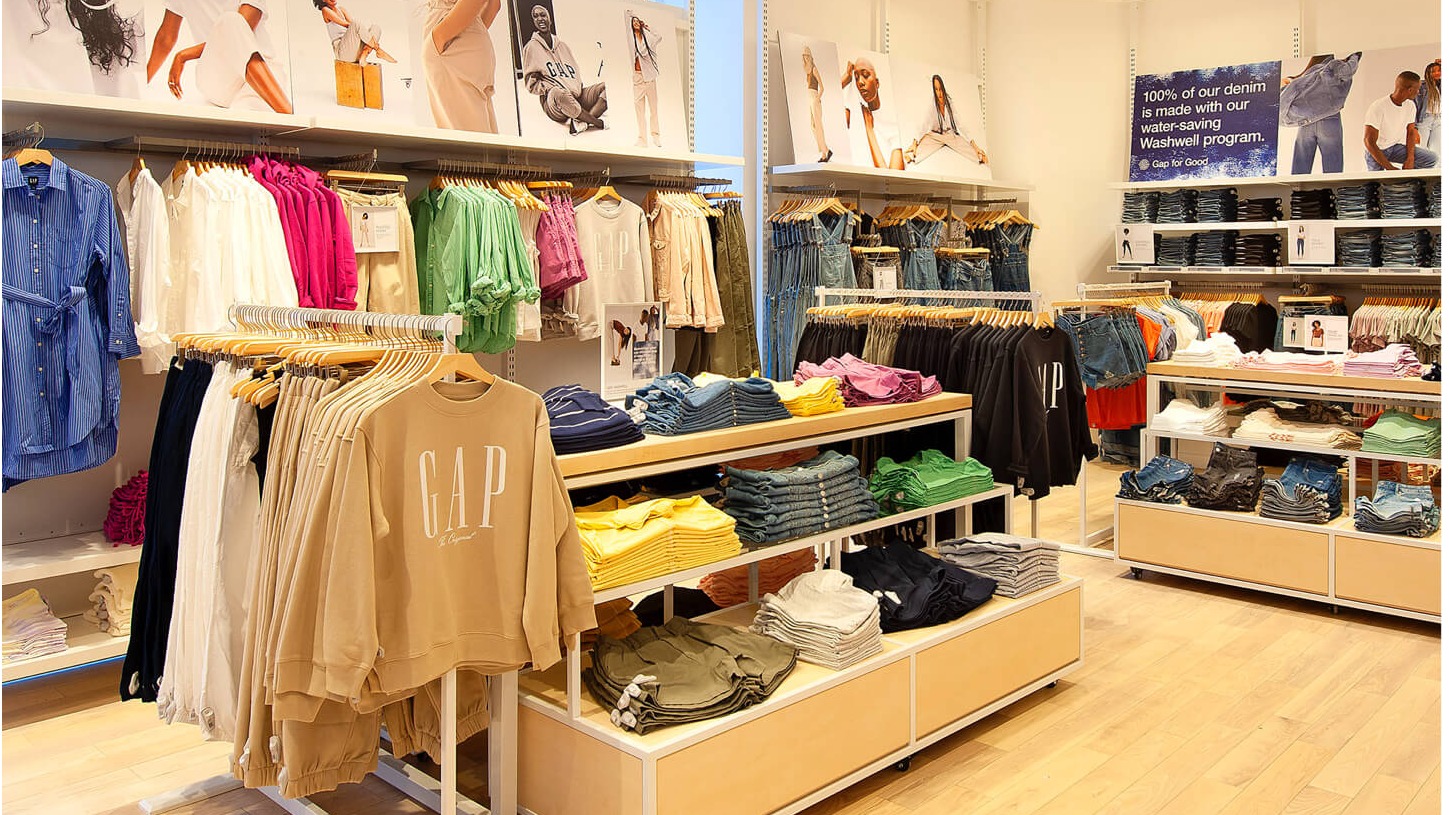
The retailer, which is in the middle of a chief executive transition following the departure of Sonia Syngal last year, is also planning to close 350 stores by the end of the year. The company has closed 299 stores since October 2020.
The company said that it expects to take on $100-120 million in aggregate pre-tax costs. Of that total, $75-85 million would be made up of employee related expenses.
The news comes after Gap posted worse-than-expected losses for the fourth quarter of 2022 and forecast sales below estimates for 2023. It attributed this to slowing demand for apparel and challenges around its Old Navy Brand.
Gap has been significantly impacted by the global economic squeeze on lower- and middle-income households, with spending on non-essential items like clothing taking a dip across the board. Consumers are increasingly turning away from staples like Gap and towards cheaper alternatives from brands such as H&M and Uniqlo.
The company exited the UK market in 2021, and now exclusively sells online.


Latest News
-
Ralph Lauren replaces sustainability targets with AI goals in executive bonuses
-
Ikea owner appoints new chief sustainability officer
-
Morrisons adds new personalised offers to loyalty app
-
GMB hits back against Deliveroo’s robot rollout
-
Morrisons rolls out AI-powered workload planning tool across stores and logistics network
-
Mango promotes Marlies Hersbach to chief people officer



From CapEx to AI: Understanding the evolving cost structure of retail technology
This Retail Systems webinar, sponsored by Aptos, brings together leading voices from across the retail technology ecosystem to examine how modern PoS has transformed the cost ownership model – and how the emergence of agentic commerce is poised to rewrite the rules once again.
Beyond Channels: Redefining retail with Unified Commerce
This Retail Systems fireside chat with Nikki Baird, Vice President, Strategy & Product at Aptos will explore how unified commerce strategies enable retailers to tear down these barriers and unlock new levels of operational agility and customer satisfaction.






© 2024 Perspective Publishing Privacy & Cookies
Recent Stories